
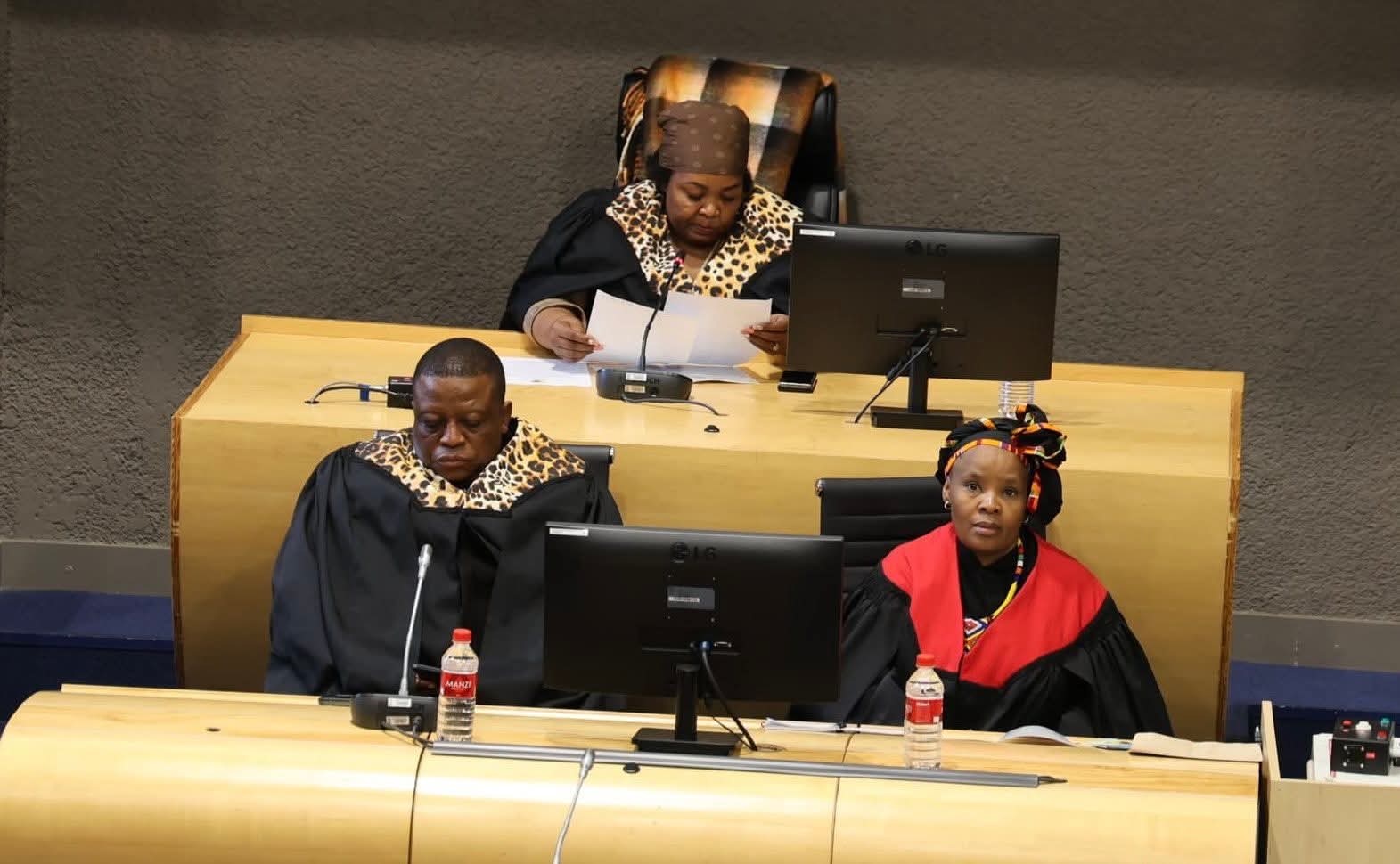
 On Friday, 04 June 2026, the Northern Cape Traditional and Khoisan Leaders formally opened the fourth session of the house at the provincial legislature. The opening is in accordance with the Traditional and Khoisan Leadership Act 3 of 2019, which officially recognises traditional and Khoisan communities and defines the operations of National, Provincial and Local houses of traditional and Khoisan leaders.
Held at the legislature's chambers, the sitting together with traditional leaders, Khoisan leaders from national, provincial and local houses in the country, members of the executive council, government officials, stakeholders from the private sector, to reflect on the progress made and highlights for the coming year. A blend of formal parliamentary procedures and rich cultural traditions characterised the opening.
Premier Dr Zamani Saul, in his address, praised the joint achievements of the government and traditional and Khoisan leaders, including infrastructure investments, improved service delivery, strengthened traditional institutions, and initiatives for economic development, job creation, social cohesion, and community empowerment. Furthermore, he noted progressed recognising Khoisan leaders and announced the continuing work of the commission of inquiry into chieftaincy legitimacy to resolve long-standing leadership disputes.
The opening of the Fourth Session of the Fourth House provided an opportunity to reflect on achievements, address emerging challenges, and set priorities for the year ahead. The House reaffirmed its commitment to promoting the interests of traditional communities, preserving indigenous knowledge systems, and contributing to the social and economic development of the Northern Cape.
Closing the session, Chairperson of the Northern Cape Provincial House of Traditional and Khoisan Leaders, Kgosi Pelonomi Toto, stressed the importance of formally recognising Khoisan leadership structures within South Africa’s democratic governance framework. She highlighted the need for continued cooperation between the government and Traditional and Khoisan Leaders to advance development, preserve cultural heritage, and address outstanding matters related to Khoisan recognition. Her remarks reinforced the session’s central themes of partnership, inclusive governance, and meaningful participation in shaping the future of the Northern Cape.